Green Investments: The Complete 2026 Guide to Performance and Real Impact

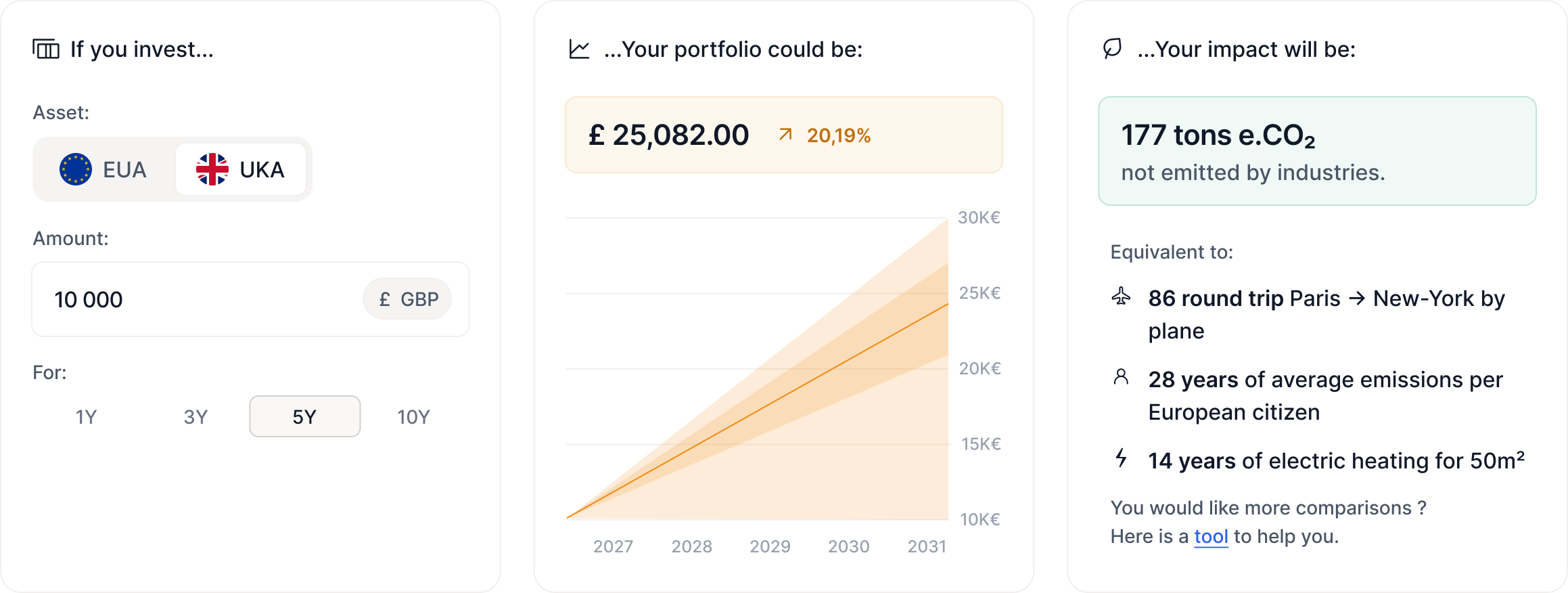
Did you know that a standard €25,000 savings portfolio emits an average of 11 tons of CO2 per year? That is the equivalent of five round-trip flights between Paris and New York. Your money has weight, and in 2026, it is more critical than ever to ensure it weighs on the right side of the scale.
As the climate crisis accelerates, "Green Investment" has moved from a niche ethical choice to a strategic necessity for any modern portfolio. But as the market matures, so does the need for discernment. Not all green investments are created equal.
What is Green Investment and Where Does it Come From?
To understand where we are going in 2026, we must look at where we started. Green investing—often referred to as sustainable finance—was born in the United States in the 1970s. The Pax World Fund, created in 1971 by activists opposed to the Vietnam War, paved the way by excluding weapons manufacturers from its holdings.
Since then, green investing has evolved from simple exclusion to a proactive financing of the ecological transition. Today, it encompasses three main pillars:
- Renewable Energy: Financing the infrastructure for solar, wind, and green hydrogen.
- Energy Efficiency: Retrofitting buildings and industrial processes to consume less.
- Sustainable Mobility: Transitioning transport systems away from fossil fuels.
However, as we enter 2026, a hard truth has emerged: traditional green investing in the stock market is no longer enough to meet the dual goals of financial performance and climate urgency.
[[cta-guide2]]
The "Cold Shower": Why Green Stocks Are Not Enough in 2026
For years, investors thought that buying "Green ETFs" or ESG-rated stocks was the ultimate solution. In 2026, the data tells a different story. To build a truly resilient portfolio, we must address three fundamental issues:
- The Correlation Trap: Green stocks are still stocks. When the global market dips due to geopolitical tension or inflation, your "green" portfolio drops right alongside it. In a volatile 2026 landscape, being 100% correlated to equity markets is a risk few can afford.
- The Lack of Additionality: Buying a share on the stock market is like buying a used car. The money goes to the previous owner, not to the manufacturer. It does not provide "new" capital to the company to build more wind turbines. It is a secondary market transaction with limited direct climate impact.
- The Performance Gap: While green equity indices showed significant volatility in 2025, the EU Carbon Market displayed a robust growth of +16% (YTD).
If you are looking for an asset that combines decorrelation with direct environmental math, it is time to look beyond the stock exchange.
[[cta-discover]]
Green Investment Vehicles: A 2026 Comparative Guide
There are several ways to direct your capital toward the transition. Here is how they stack up in the current market:
1. Life Insurance and PER (ISR-labeled)
These are the most common entry points for retail investors.
- The Benefit: Significant tax advantages in various European jurisdictions.
- The Reality: These funds often consist of large-cap companies with "good" ESG scores.
- Market Correlation: High.
2. Green Bonds
These are debt instruments issued to finance specific environmental projects.
- The Benefit: You are directly financing a project (a solar farm, a rail line).
- The Reality: Usually reserved for institutional investors or available via specialized crowdfunding platforms.
- Market Correlation: Medium (linked to interest rate fluctuations).
3. Green Real Estate
Investing in the energy renovation of commercial and residential buildings.
- The Benefit: Tangible impact on the energy footprint of cities.
- The Reality: High entry costs and low liquidity.
- Market Correlation: Low (linked to the real estate market).
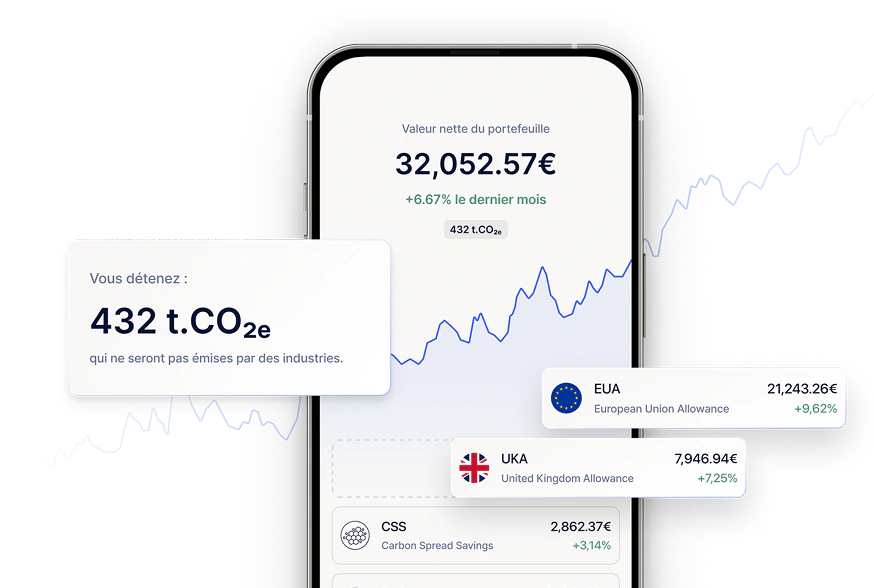
4. European Carbon Allowances (The Homaio Model)
A newcomer that has become a staple for diversified portfolios in 2026. By buying carbon allowances, you are participating in the EU's primary tool for reducing industrial emissions.
- The Benefit: Every allowance represents a "right to pollute" taken off the market, forcing industries to decarbonize.
- The Reality: Historically reserved for industrials, now accessible via Homaio through bond structures.
- Market Correlation: None. It is an independent regulatory asset.
[[cta-simulateur]]
2026 Synthesis: Finding the Right Balance
To help you decide, we have synthesized the performance and impact data from the past year.
Strategy for 2026: The Expert's Verdict
As we navigate the complexities of 2026, the consensus among forward-thinking investors is shifting. The focus is no longer just on "going green," but on building a resilient portfolio that can withstand market volatility while contributing to measurable climate goals.
At Homaio, our market conviction is built on two strategic pillars for a modern portfolio:
- A Core Equity Base: Maintaining exposure to sustainable companies that are leading the way in operational efficiency and long-term growth.
- A Specialized "Impact Pocket": Incorporating assets like EU Carbon Allowances to potentially provide a decorrelated hedge against traditional market cycles while applying direct financial pressure on large-scale industrial emitters.
The transition to a low-carbon economy is the greatest structural shift of our century. In 2026, success belongs to those who view climate finance not as a constraint, but as a sophisticated tool for diversification and impact.
Disclaimer: This article is provided for informational purposes only and does not constitute investment, legal, or tax advice. Investing in carbon markets and bonds involves risks, including the loss of capital. We recommend consulting with a professional financial advisor to determine the suitability of any investment for your specific circumstances.